I’m listening to Hand. Cannot. Erase. by Steven Wilson and it’s a remarkable experience.
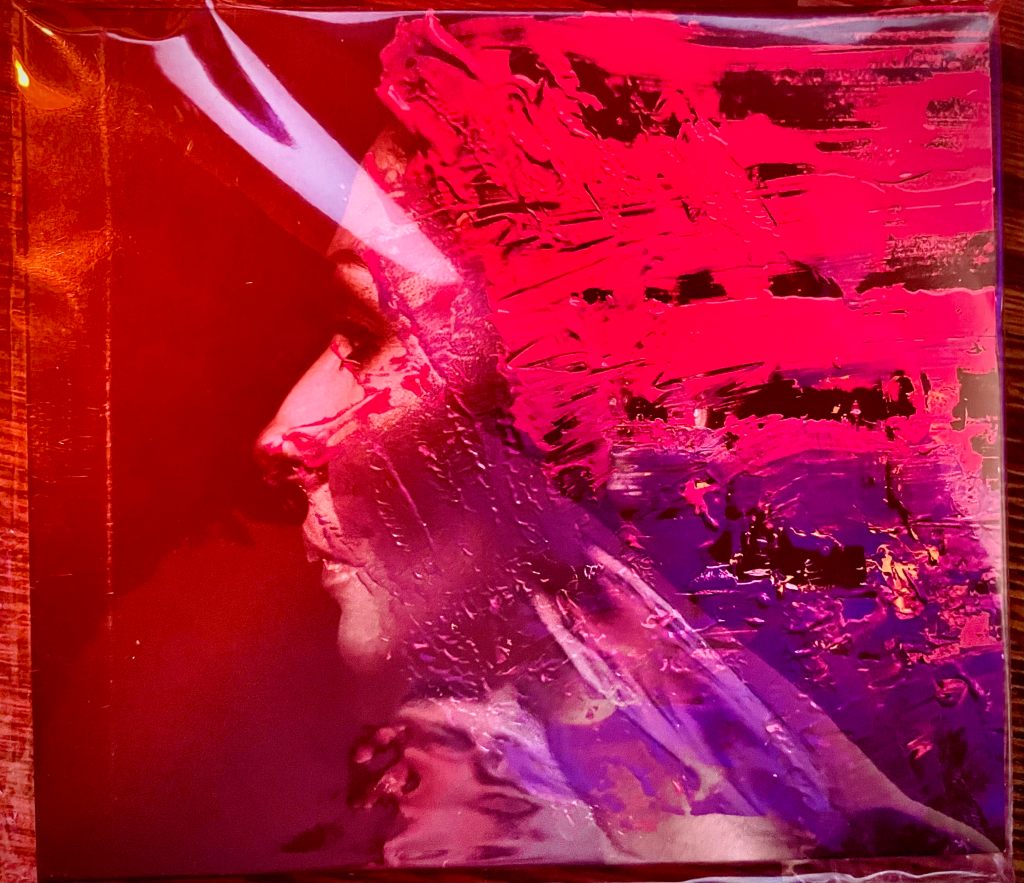
My copy ofHand. Cannot. Erase. by Steven Wilson
It came out in 2015. Wikipedia tells me it’s his fourth solo album, since deactivating Porcupine Tree after the less-than-successful The Incident (an album I liked, though they’ve made better.)
This album is proggy af. Synths, time signature shenanigans, lots of notes, two 10+ minutes-long tracks… and yet it feels contemporary. If Classic Rock™ were still a thing as of 10 years ago, this album would definitely qualify. I hear the influences, and the originality. This is a Contender, an album that should be in the pantheon.
I’m listening now and it soothes me. The election THE GODDAMN ELECTION is 8 days away and I have little hope that things are going to be OK. There is a charismatic cult leader openly running for president, describing the fascist policies he intends to implement publicly, and the supposed “normie” (but also authoritarian and a genocide) alternative is barely hanging on to a lead in the current polling. The only person in the race whom I think might have a chance of setting this country on the right path has absolutely no chance of winning. It’s a scary time.
But this album is good, thoughtful, and human. The playing here reminds me that there is virtue in people, and that that virtue… great musicianship, great music production, a clear eye expressed in the lyrics of these songs, originality… can still happen.
My friend James began a project of writing about each Black Sabbath album in order, based on one quick listen to each from Spotify. He was going to do one a day. He’s stalled after their fifth album, Sabbath Bloody Sabbath. I want to talk about Sabbath, but I can’t do a series on every Sabbath album because I would have the same problem as James, stalling out somewhere along the way. I’ll talk about a couple of their albums, though. I present this first commentary as part of my Objects series.
I have been having a bout of obsession with this band. A few months ago I rebought Masters of Reality for the song “Children of the Grave,” which has long been my favorite of their songs. Tucson punk band Just Us covered it, as I recall, bassist Paneen claimed it was “the greatest punk song ever written” and I have to agree with the sentiment if I can’t back it up as a statement of fact.
Around this time (early to mid 80s), I was listen to Heaven and Hell in relatively heavy rotation. I didn’t think abut it from a genre perspective, even with Paneen’s comment in my head, but lately it’s come back to me that there is a significant commonality between what Black Sabbath has always done and what every punk band I’ve ever played in did in terms of attitude and songwriting process. From my far-after-the-fact perspective, I must admit that Sabbath both elevated that ethos and served it well. Lately, I’ve come to think of them as the idealized version of the band I’ve always wished to play in.
Heaven and Hell was the first album the band made after firing Ozzy Osbourne. I was among the many who thought that Black Sabbath was probably over with as of his departure, but this album inpressed me. Reading the liner notes to this edition I learned that they wrote Children of the Sea at an afternoon jam session the first day they met with Ronnie James Dio. They sound like a band reborn. Guitarist Tony Iommi contributes some of his crunchiest riffs here. The material sounds timeless, whereas the two previous albums had sounded like a band working to “update” their sound. You can hear elements of the poppier direction the band had pursued on their previous album Never Say Die in a couple of the tracks on side two, notably “Wishing Well” and “Walk Away” – both of which are fine songs – but the meat here, the content of their rebirth, was the heavier material: all of side one and “Die Young” from side two especially seem to characterize the throughline from the band’s original sensibility and the new chemistry that came with the addition of Dio.
The live material on the second CD here bears that out. All five songs I point to are the material that made its way to the stage and these recordings.
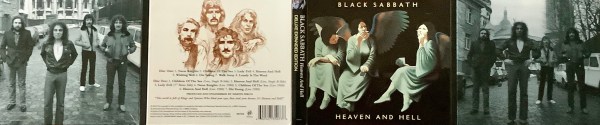
I like having this album as an object again, and the live tracks, including original Sabbath drummer Bill Ward who departed before the band recorded and toured their second Dio-fronted album Mob Rules, are a welcome addition to my collection. The CD has been on my desk since it came out of the shipping package. I fidget with it, looking at the pictures and layout, reading the liner notes. It’s a token of a former time, a reminder of a dream I once held dearly and haven’t quite let go of.

 Broadcast From the Brain Radio
You must be logged in to post a comment.