Memorial Day Memory

My Grandpa and Grandma Matthews raised peonies for Memorial Day as a cash crop.

They had two one-acre plots that they would plant with peonies in March. They’d harvest at the end of May, cutting the blooms for bouquets, uprooting the plants and wrapping the roots to replant the next year.

Then he would plant his vegetable garden in the same soil — corn, tomatoes, beans, eggplant, beets, summer squash, peppers, etc, which would get et when fresh, but which Grandma would also put up for the winter, in the same cellar where they stored the peony plants.

Such bounty from the earth! Those two plots will always be the configuration of my fondest Memorial Day memories.

Personal Blog #203 Part 11: Sunny Southern Colorado

Why the Mountains Are Always to the West.

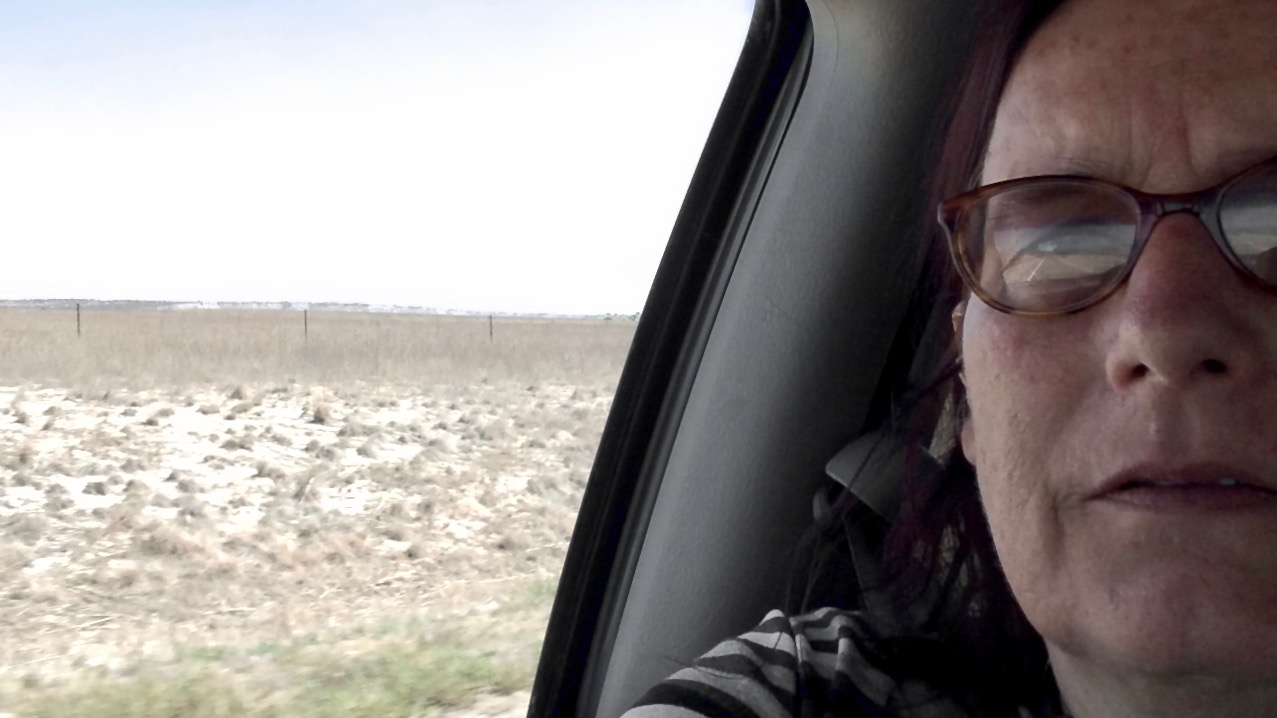
IMG_1261

This is me riding shotgun through what was once called The Great American Desert, though it’s really a steppe, the eastern slope of southern Colorado. Much of my childhood was spent in this country, though I have not lived there since my freshman year of high school.

Sage, cactus, and grasses are a threadbare cover to the land I grew up on. The mountains are a grand presence in the west, impressed upon me to the point that any time I encounter mountains, no matter how they are actually oriented, the lizard part of my brain automatically labels the direction of those mountains “West.”

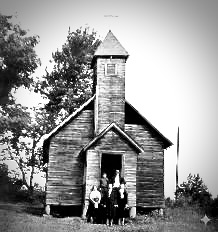
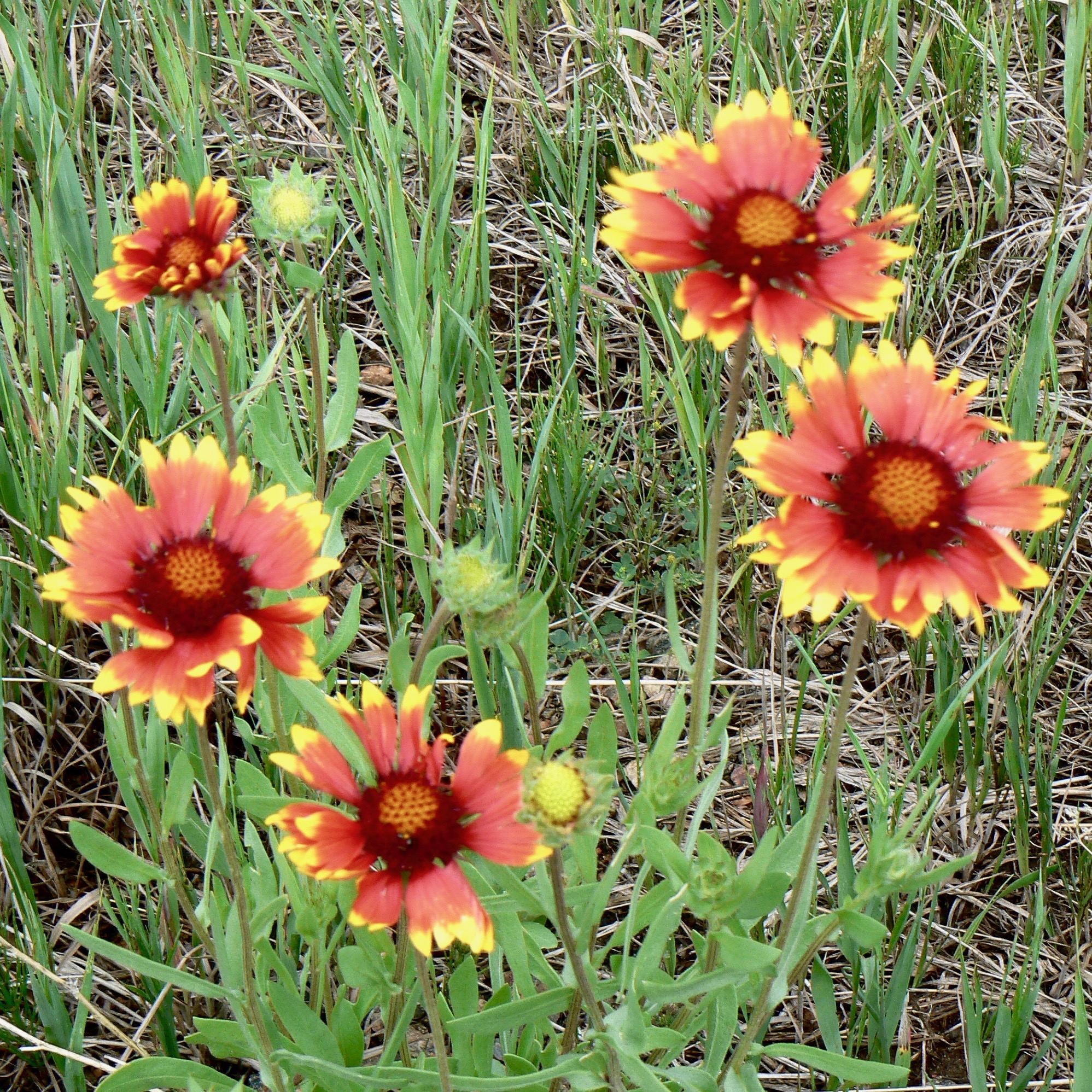
I still have family there, so I still go back. I’m glad that I do, because I love Colorado. I love its clear night skies and summer thunderstorms. I love being in the mountains south of Florence, where my Mother spent part of her childhood, in a dirt floor cabin, going to school in a one-room schoolhouse. My very favorite wildflower in the world grows in meadows around where my mother grew up. It’s called Indian blanket, and its ragged beauty is extravagant.

Indian Blanket

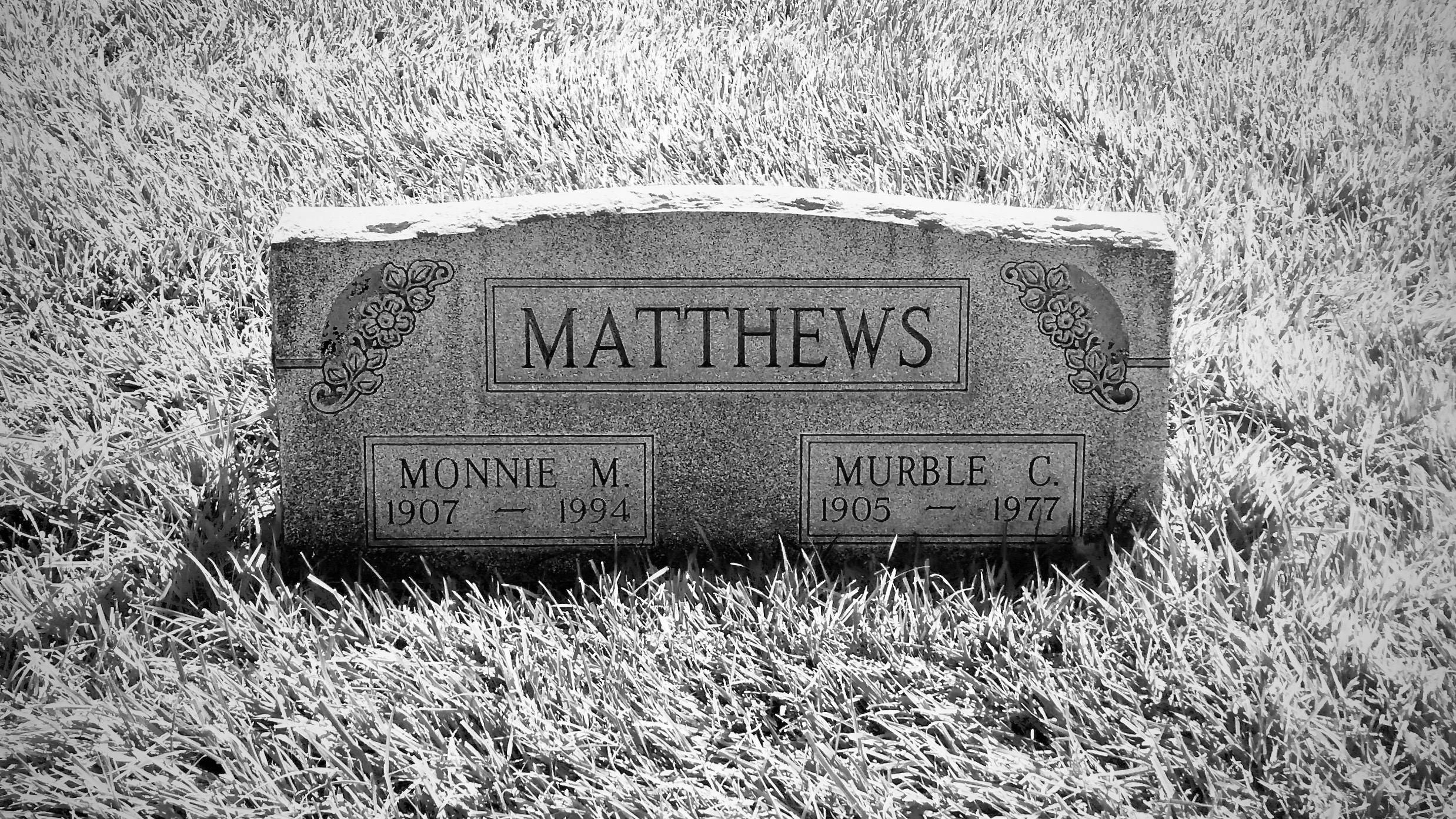
My roots in the Arkansas Valley run deep. My grandparents are buried there in the Fowler Cemetery.

IMG_3455

My brother and mother live there now. Though I haven’t lived there in decades, no place on Earth better deserves the appelation, “home.”

Happy Thanksgiving

I’m traveling today, and my suspicion is that not too many eyes will fall upon these words, as this is not the sort of day when people surf the web looking at blogs by fledgling writers. I will keep this short, in case these words do reach you somehow. I don’t want to keep you.

I live in Massachusetts, where this whole tradition began, under a dark, bloody cloud. I’ve attended the National Day of Mourning in Plymouth. I know some of the history of King Phillip’s War and its aftermath. So much of the history of this country I call home is built upon horror and hatred, wholesale misery and profound suffering.

For my family, as it likely is for yours, this day has been and continues to be about togetherness and appreciation, and maybe a little bit about overzealous eating. I embrace this tradition, because it’s a good and important thing to do — to honor family and to be thankful.

But we should also remember King Phillip, and the churchgoing Indians who were the first and most devastated victims of the war that bears his name. We should remember a time two hundred years later, when Chief Joseph and the Nez Percé, ran for their lives across the frozen Northwest, starving at the same time that American families were having Thanksgiving feasts, thanking the Lord for the bounty they had, not even knowing the name of King Phillip. If they thought about Chief Joseph at all, those thoughts were not in any way warm with gratitude, or tinged with remorse.

They should have been.

Perhaps we can hold some humility in our hearts along with our joy? Perhaps we can also hold to some vision and some intention towards a better, more inclusive, more compassionate future? We can’t change the past, but what if we do these things?

  • Remember your loved ones, and in that context, remember the value of human life.
  • Share what you have with those around you. This is the spirit of family that I remember as the central tenet of so many Native American tribes.
  • Remember the price that has been paid for this bountiful life. It is the debt that goes with the gratitude of the day.

May you be blessed, and may you recognize your blessings and where they’ve come from.

In that spirit, I thank you for your attention to these words.

Goodbye, Roseanne.

The value of the Roseanne Connor character was the other side of the double edge that got her fired: frankness, a willingness to put her ideas out there, regardless of possible consequences. There’s bravery in that, and the risk factor made for good comedy, most of the time. The show Roseanne also felt essential in this time as an avenue for the dialog that we have long since stopped even attempting to have as a nation.

I have family who are like her — the character and the flesh and blood woman — in some ways. Though most people who might happen across this post might not agree with me, I think this culture lost an important opportunity today, a chance to dialog across this widening chasm between those of us on the left and those on the right. The point of the show was to look beyond the ideological stances that divide us so sharply and remind ourselves that even though we disagree, we can at least try to see each other as people: as family.

Still, what Roseanne was fired for, she absolutely should have been fired for. It was a gross betrayal of the very thing that was most crucially valuable about Roseanne. There’s nothing defensible about the things she put in that tweet. Those remarks were personally directed and indefensibly mean-spirited. They were uncalled for and bore no constructive value. In fact, quite the opposite was true: they were meant to wound and they betrayed an attitude of dehumanization and cruelty. Their ilk has been with us for centuries, and there is nothing to be said in response to them. One can only dismiss as irredeemable the person who would invoke those ideas at this point in history.

On the other hand, Roseanne has said harsh things about trans people. Those comments about bathrooms and trans folk still need to be addressed whenever possible, because public cognizance of us as normal, productive, well-adjusted members of society is new — not the truth of them, but the currency of them in our society. I hate to hear the sorts of things those who hate us say, but I would rather those things get said out loud than thought and not said, because I can’t respond to hateful, wrong ideas about who I am, about my experience, if I never hear them stated. If ideas like that can’t be said in the public sphere, people will only transmit that hate among the like-minded, in private. If somebody is hiding what they think of people like me for fear of the consequences of speaking their minds out loud, that’s far more dangerous for me.

I’m reminded of sitting with family recently, after my transition, an uncomfortable and impenetrable silence between us. Those people no longer talk to me. If only someone — either my cousins, or my aunt, or, for that matter, if I — had spoken up, said what we were thinking, maybe we could have found a way to still be talking, even across the divide and disagreement we would still both have between us, rather than the huge, resounding silence that is all we share now.

This November, my state (Massachusetts) is going to vote on my right to exist via a ballot initiative. I would very much rather have the conversation about who I am and whether I am a danger or not, as painful and frustrating as it is, than to have to worry about what’s going to happen with people who think one way and talk another. It’s the way they think that will determine what happens when they vote, not what they’re willing to say when I’m in earshot.

Roseanne was the one TV show making the attempt to conduct some sort of dialog between conservatives and progressives, on issues that are, frankly, life or death for many. It was rightly cancelled due to the words of its star. Unfortunately, I fear that the failure of this lone attempt at having a conversation is a sign that it’s already too late for us to find our way to be one national family again.