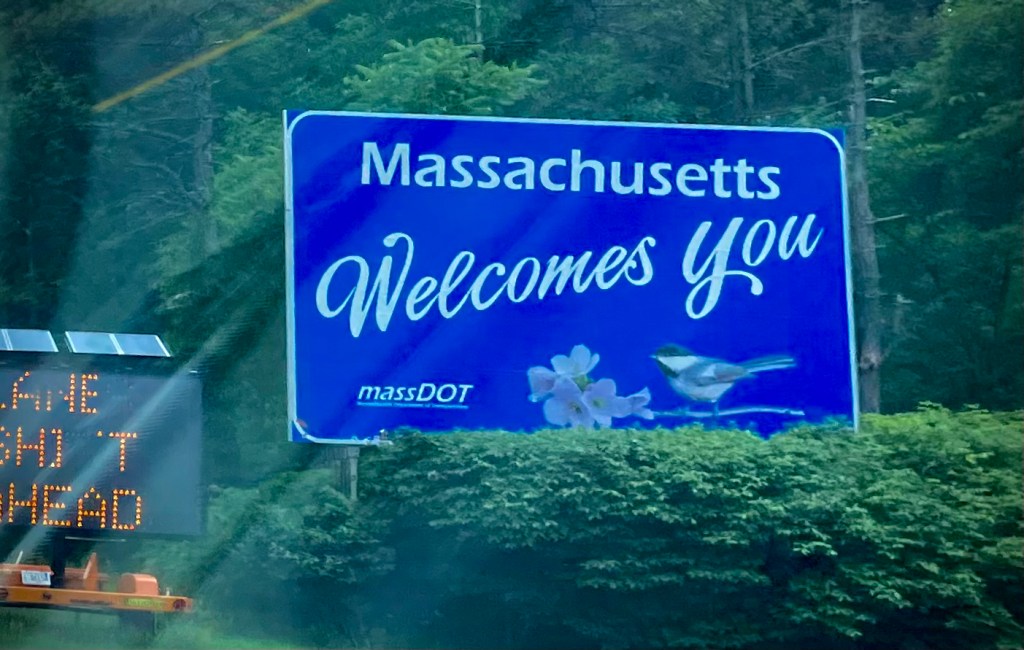
Best of 1967 battle

In which we learn more of my opinions about sixties rock.

John Wesley Harding

Recorded while Dylan took a break from The Basement Tapes sessions. Many consider it to be part of the larger project. This is Dylan at his most mythic. “I Dreamed I Saw St. Augustine” is begging me to cover it.

I love how the last two songs sound almost like a different project, but serve as perfectly seasoned representation of what I think is the central conceit of the collection. One way to look at the album is that there are ten philosophical predicate songs and that the last two are the full expression of the philosophical explorations in action.

The work here is a sort of bridge from that early-sixties era of great experimentation and rapid development represented by his previous 6 albums towards something a little bit more sustainable and relaxed. It still has that romantic, poetic drive but is at the same time more low-key and, I think, more musical.

Charlie McCoy’s bass playing throughout this record is some of the most breathtaking I’ve heard. A top-notch Nashville cat™ on mouth harp, his bass playing perfectly captures the spirit of discovery and freedom that lies at the heart of this clutch of songs.

  • Listenability: 9
  • Cultural Value: 6
  • Personal meaning: 12
  • Technical value: 7
  • Fuck the Establishment value: 3

37 out of 40

Revolver

I have in the past, it must be said, proclaimed this the best rock album ever made, and today I stand by that proclamation. So why am I doing an “album battle?” I think because of the significance of Revolver, the real battle is for second place. What do I think is the second best rock album that happened in 1967? Also, I love and have much to say ’bout this ‘un.

I love the 14-song version that has all of the John songs restored (and is much better for it!) I also have a two-disc version that includes the concurrently-recorded non-album single, “Paperback Writer” c/w “Rain,” but for my purposes here, I will listen to the “British version” single CD that I have had for years.

This is the tightest they ever were as a band and the Ringo/Paul duo has a HUGE amount to do with this era of the band’s musical success. Paul had (still has) a fantastic ear to go along with his expressive, melodically inventive playing, and Ringo unfailingly found the right strokes and was perhaps the best drummer around at editing his compositions. There’s not an extra move anywhere in his performances on Beatles records. The combination of the two and their ability to lock in together hits its absolute peak at around this time.

I also love all of the vocal work on this album. John’s ‘harmonies’ on “Yellow Submarine” are hilarious, and really, what makes all of the vocal performances here so compelling is the personality of the four singers. These are four guys with massive star power, and that presence comes through with great immediacy through these grooves some 58(!) years after they were recorded.

I also advocate for the consideration of Revolver as the very first progressive rock album, with its odd time signatures, horn sections, string quartets, tape loops and sound collages, while maintaining the feeling of an extraordinary rock band playing together, which is why I class this album abover Sergeant Pepper’s Loney Hearts Club Band, along with my sense that this is simply a better collection of songs than either the previous or subsequent Beatles album.

As an example, it contains a perfectly-constructed morning raga in George Harrison’s “Love You To,” which is compressed a bit to fit into the 3-minute pop song format this album adheres to, but which could just as easily be stretched out to the half-hour plus rendition inclusion in a performance of such music would cause it to be formatted as.

This whole album is just… pop perfection.

  • Listenability: 10
  • Cultural Value: 6
  • Personal meaning: 12
  • Technical value: 9
  • Fuck the Establishment value: 1. Dude. They were the establishment.

38 out of 40

Piper at the Gates of Dawn

“Look at the sky, look at the river. Isn’t it good?” from “The Gnome” slays me. I live in a place where I have that feeling pretty much every day, so the resonance with that love-of-nature conjuring Syd does is the warmest of embraces. A moment of surprising simplicity and purity, and a good representative moment of what this album does best — put you in a place and let you absorb it completely, without throwing any extraneous emotional baggage at you.

It’s worth remembering that whatever emotional baggage one can associate with Syd Barrett’s art comes later — not very much later, but within these grooves, it’s all in abeyance, all hidden behind the brilliance.

“Pow R Toc H” may be my favorite track on this album, because it comes from all 4 members of the band. I enjoy that it’s more compact than the more famous “Interstellar Overdrive,” which is the other track the band jammed out together.

“Take Up Thy Stethoscope and Walk” is Roger’s great Colin Moulding moment, marks him as a proficient songwriter and made him the leading candidate for main songwriter, once Syd was no longer an option. Another candidate for best song on the album.

In keeping with that, I’m sad that there’s no Richard Wright song on this album. It’s my greatest quibble with the project. There is a great Richard Wright song on the b side of “Apples and Oranges” called “Paintbox,” which is possibly my favorite Floyd song of all. I think it wouldn’t have been a good fit with the rest of what’s on this album, though it meshes quite well with what Pink Floyd would later become, and set the stage for much of what the band did.

  • Listenability: 9
  • Cultural Value: 6
  • Personal meaning: 12
  • Technical value: 7
  • Fuck the Establishment value: 2

36 out of 40

Smiley Smile

Mike Love is an infamous asshole. Let’s start there. As the follow-up to Pet Sounds, Smile would have been the great step forward that Brian Wilson was looking to create, but it was a step too far for Mike Love, who has made no secret over the years of his loathing for this music, particularly for Van Dyke Parks’s impressionistic lyrics, and the quantum leap away from accessible mainstream pop that Smile represented.

But the project was shelved, and instead we got Smiley Smile, which sounds to me like slightly tarted-up demo tracks for the larger project, but which also stands as a bold, if even less accessible experiment. I find I like it better than the long-after-the-fact reconstruction of Smile released under Brian Wilson’s name in the mid 1990s. I have not heard the double-album release of the Smile Sessions.

I’ve read interviews with former Fleetwood Mac guitarist and pop music mastermind Lindsay Buckingham where he points to the track “Wind Chimes” specifically as an example of pop genius. I have to agree, and there are several other songs here that stand along side that for me, including the lead-off track “Heroes and Villains,” “Vegetables,” the gorgeous Carl Stalling-like “Fall Breaks and Back to Winter,” and the ultimate Beach Boys song “Good Vibrations,” which was recorded during the Pet Sounds sessions but not completed in time to include. It seems likely that it was included here to make this album more attractive to the record-buying public.

Smiley Smile‘s lush, layered vocals and rudimentary instrumentation gives an aura of almost David Lynchian strangeness, and that is a huge attraction for me, as I love unconventional, even difficult-to-listen-to music. Frankly, if you open your ears even just a little bit, there is so much to love about this album as a listening experience. My “listenability” rating went up quite a bit with the review I did for the sake of this post.

  • Listenability: 7
  • Cultural Value: 6
  • Personal meaning: 12
  • Technical value: 9
  • Fuck the Establishment value: 3

37 out of 40

Conclusion

Final Standings:

  • 1. The Beatles – Revolver
  • 2. The Beach Boys – Smiley Smile (tie)
  • 2. Bob Dylan – John Wesley Harding (tie)
  • 4. Pink Floyd – Piper at the Gates of Dawn.

This was fun. I’ll do another one of these “album battle” thingies soon. There’s more background info on this battle in my previous two posts.
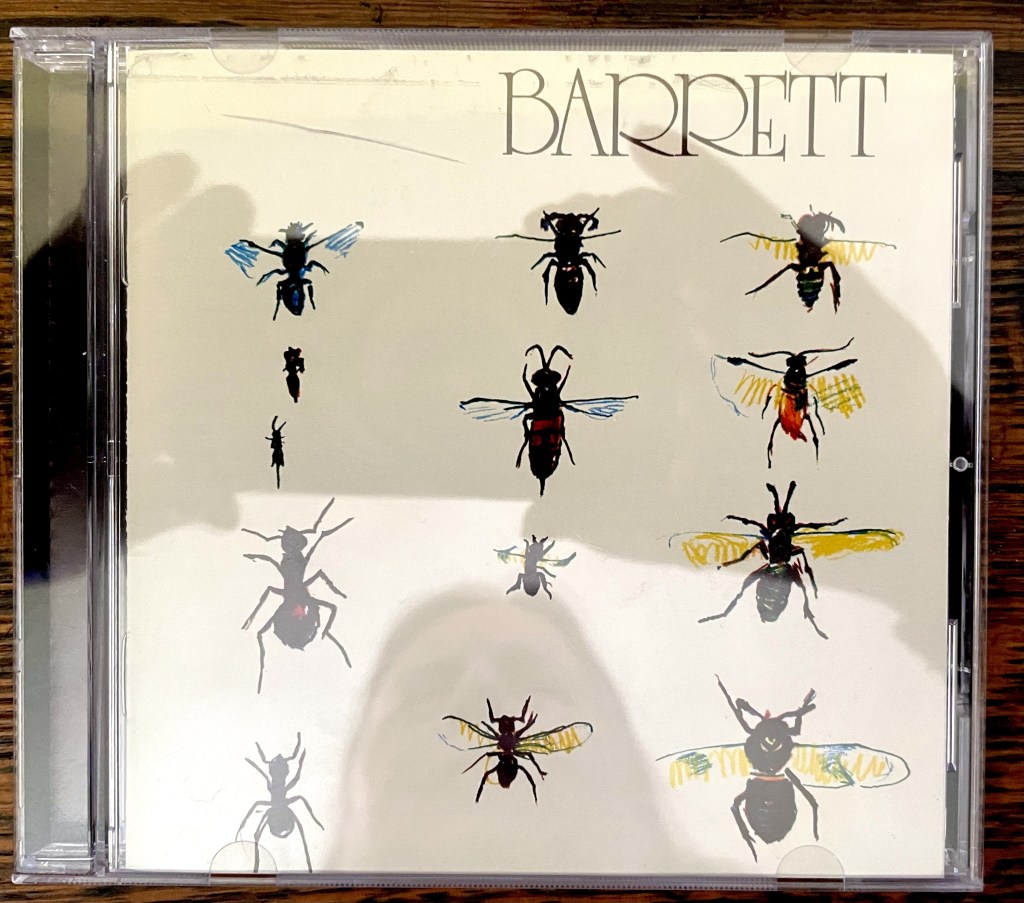
Barrett by Syd Barrett

A reminder of what might have been

Syd Barrett was the original leading light of Pink Floyd, but succumbed to debilitating psychological issues that began around the time of the release of the band’s first album. He left the band under a cloud after a short struggle to continue contributing, and after two erratic solo albums, left the music business entirely. Barrett, his second solo album, was the end of the road for Syd as a recording artist.

It’s sssssooooo wwwwweeeeiiiirrrrrddddddddd, but it’s also surprisingly good considering the problems involved in making it, and different from anything else you might care to name in rock music.

The first thing I think of with Syd’s solo stuff is wild tempo shifts and a casual attitude towards pitch, but there’s less out-of-control-ness than you might think on Barrett. I mean, it’s loose, at times almost chaotic, but I think Syd was a lot more on top of things for this record than his rep might suggest.

“Gigolo Aunt,” for instance is prime late-sixties pop rock, as is “Baby Lemonade.” The shuffling beats, the psychedelic brightness, the unique phrasing and viewpoint — all are trademark, and testament to Barrett’s distinctive creativity.

The band is Syd on vocals and guitar, Richard Wright on keys, Jeff Shirley from Humble Pie on drums, and David Gilmour on bass and backing vocals. Gilmour and Wright are the producers. At Gilmour’s insistance, Syd plays all the guitars.

Ultimately, it’s both its own thing – loose and immediate, quirky and streamlined – and a reminder of what might have been.

10/28/24

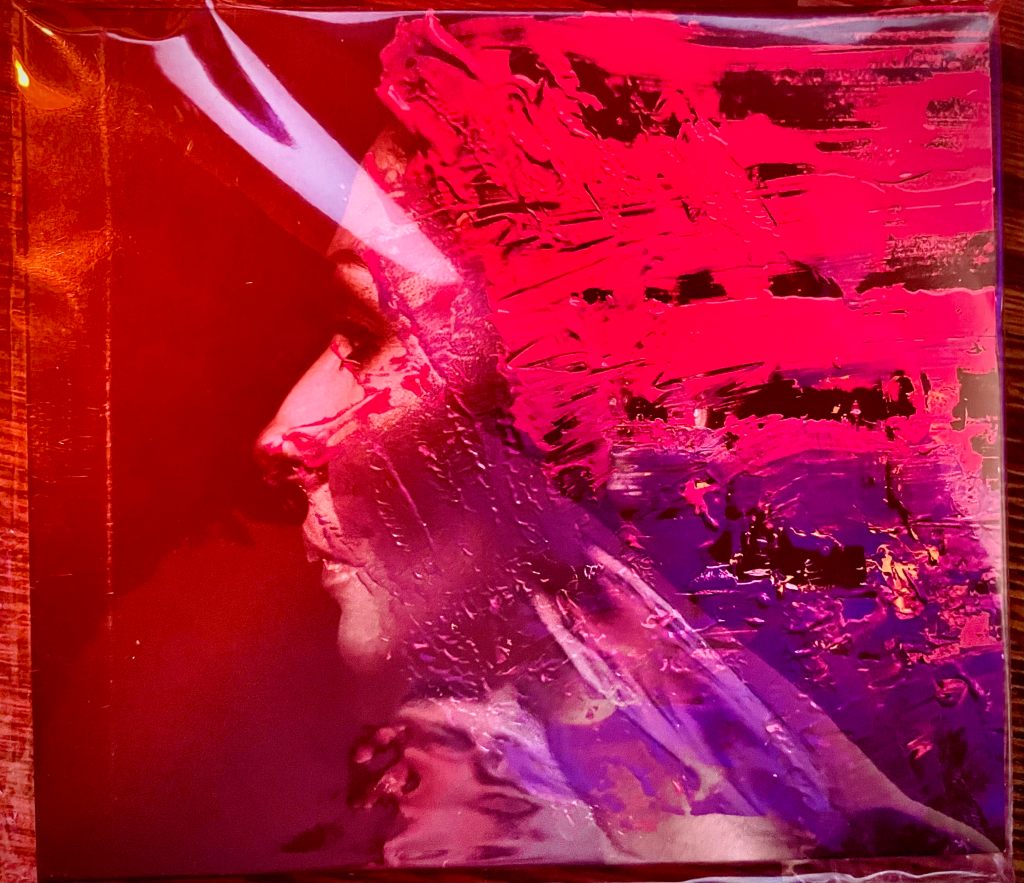
I’m listening to Hand. Cannot. Erase. by Steven Wilson and it’s a remarkable experience.

My copy of Hand. Cannot. Erase. by Steven Wilson

It came out in 2015. Wikipedia tells me it’s his fourth solo album, since deactivating Porcupine Tree after the less-than-successful The Incident (an album I liked, though they’ve made better.)

This album is proggy af. Synths, time signature shenanigans, lots of notes, two 10+ minutes-long tracks… and yet it feels contemporary. If Classic Rock™ were still a thing as of 10 years ago, this album would definitely qualify. I hear the influences, and the originality. This is a Contender, an album that should be in the pantheon.

I’m listening now and it soothes me. The election THE GODDAMN ELECTION is 8 days away and I have little hope that things are going to be OK. There is a charismatic cult leader openly running for president, describing the fascist policies he intends to implement publicly, and the supposed “normie” (but also authoritarian and a genocide) alternative is barely hanging on to a lead in the current polling. The only person in the race whom I think might have a chance of setting this country on the right path has absolutely no chance of winning. It’s a scary time.

But this album is good, thoughtful, and human. The playing here reminds me that there is virtue in people, and that that virtue… great musicianship, great music production, a clear eye expressed in the lyrics of these songs, originality… can still happen.

Steven Wilson gives me hope.

5 CDs I Took on a Recent Road Trip

4 days with 5 CDs

I’ll talk about these in alpha order since I can’t think of a better rubric. These are the five things I brought with me for a trip east from Colorado with my brother. He brought a number of things too, my favorites from his stash were The Dambuilders’ Tough Guy Problem ep and Beach House 7. TGP is just about ideal 90s quirky hard indie rock, the Beach House is note-perfect shoegaze, with great songs and a beautiful droney sound. I’d stack their album up against Loveless anytime. btw, we had Loveless along, too.

It’s important to note that my brother’s truck has very loud road noise. Some music had more trouble cutting through that noise than other. “Road Noise Resistance” is another of the judging criteria I’m using to quantify my experience of these records on the trip.

Welcome, Michael!

Gentle Giant — Acquiring the Taste (1971)
I brought this one along to either dispell or confirm that this might be my favorite Gentle Giant album. I certainly didn’t dispell that notion. eight tracks, less than forty minutes. We probably listened to it beginning to end maybe 10 times, maybe more, so that will give you some idea.

Favorite tracks were “The House, The Street, The Room,” “Wreck,” and “Plain Truth.” “Pantagruel’s Nativity” also merits a mention. Quite honestly, I like the whole album. The big stylistic difference I see between how they’re playing here as opposed to how they play on later albums is that they used a bit more legato phrasing on this earlier opus. Gary Green’s guitar work shines on “The House…” I love the sea shanty flavor of “Wreck,” and “Plain Truth” just rocks.

I’ve been trying to sit with Octopus (their 4th album) and the staccato element of their later style is taking a little bit of getting used to. I understand that they styled themselves a funk band, and I do like their mid-period sound a whole lot, but right now, Aquiring the Taske just feels more like a rock album, and “rock album” is the flavor that hit the spot on our trip! Strong contender for favorite disc of the trip, and DEFINITELY my favorite GG.

Estimated Number of Listens: 20
Road Noise Resistance: 9/10
Perfect Album Scale: 10/10
Overall Score: 10/10

King Crimson — Discipline (1981)
This is the other strong contender for best CD of the trip. I love how every note on this album feels like it exists in a spacific aesthetic framework, and yet at the same time feels so free and spontaneous. Nice trick! Maybe the one makes the other possible?

Every song is great — it’s a perfect album. I absolutely include the two instrumentals at the end. “Sheltering Sky” is simple and primal yet hits you like a beautiful psychedelic painting. Bill Bruford is the star of the track! “Frame by Frame” has been an earworm for me for the last 43 years, and the recording we played again and again this past week justifies that level of imprint on my delicate tissues. There was a lot of singing along with various Adrian Belew vocal lines (And a couple of Tony Levin ones, too.)

ENL: 18
RNR: 9/10
PAS: 10/10
OS: 10/10

Yes – Relayer (1874)
Back in the day, I thought this album was built around too much “try.” I sensed that they had been shocked by the reception of Tales From Topographic Oceans (I think Tales is genius, btw, possibly their best work, so of COURSE it wasn’t appreciated at the time…) After sitting with this album through 5+ listens, I would have to say that I do still hear some “try” but goddamn, this album a triumph.

Alan White is no Bill Bruford. He is not a “touch” drummer the way Bruford is… but he is pretty fricken good. He played on Revolver, he played on both Plastic Ono Bands, I rest my case.

The point being, that I think of Yes in the same breath in which I think of the Beatles, Zep, Bowie, and Chairs Missing-era Wire, in other words, at the tippy tippy top of its genre, and also rock and roll in general. They were not afraid of dischord, and their sixth album does not shy away. There are also some transcendently lyrical moments here. Alternating between beautiful and aggressive, this is one of absolute favorite albums by this band.

The road noise really bordered on making it hard to listen to an album.

ENL: 8
RNR: 7/10
PAS: 9.5/10
OS: 9/10

Pink Floyd — Soundtrack From the Film “More” (1969)
I was using the cat brush on the Persian rug next to the kid’s bed we acquired from one of our previous “living situations” and listening to this, and I really came to feel like it’s one of my favorite of their albums. Early Floyd is the best Floyd by far, in my opinion.

My actual favorite Pink Floyd is Saucerful of Secrets. Soundtrack from More is the album they recorded next, and feels like an important, intersticial album for the band. It’s not my second favorite, that would be Obscured By Clouds.

I love early Pink Floyd, but have long harbored the sentiment that they were a remarkable band up through Dark Side of The Moon, and that everything that came after it was total shite, and the worst of the lot has to be The Wall (which everyone else seems to love for some not-understood reason) but which is the absolute nadir of the ouvre in my jaundiced eye.

Cinema was a part of their feel as a band, and I think some of their best music was informed by it.

ENL: 7
RNR: 3/10
PAS: 8/10
OS:8/10

Genesis — Selling England by the Pound (1973)
This was probably the least listened-to of the 5, but we listened to it 3 times in a row while driving through Lincoln, Nebraska, and I love it. Kinda wish we’d listened to it more. I think the problem is the amount of road noise we were having. Oneof the considerations when picking a CD to pop in was that it had to stand up to the background noise. One of the ratings I’m giving each of these for the trip is about how well it battled the steady, dissonant drone of road noise in that truck. I’m giving this one a 4 out of 10 for that. The sound of the truck blended too oddly with Tony Banks’s playing.

I love every track on this album. I think Genesis has 3 perfect albums, and this is one of them, absolutely.

Can anybody ‘splain to my why I LOVE Peter Gabriel’s voice in every context I’ve ever heard it in, and why Phil Collins’s singing is like fingernails on a chalkboard to me?

ENL: 4
RNR: 4/10
PAS: 10/10
OS: 7/10

I think, in the final analysis, what needs to be said is that I love all 5 of these albums. The order of preference in this blog post relates directly to how much enjoyment I got out of each one in the particular context of that trip from Pueblo, Colorado to Gill, Massachusetts. Each album was a color on our journey cross-country. I loved them all, and wish we’d listened to them each 100 times more.

Object 3: Heaven and Hell By Black Sabbath Deluxe Edition CD

My friend James began a project of writing about each Black Sabbath album in order, based on one quick listen to each from Spotify. He was going to do one a day. He’s stalled after their fifth album, Sabbath Bloody Sabbath. I want to talk about Sabbath, but I can’t do a series on every Sabbath album because I would have the same problem as James, stalling out somewhere along the way. I’ll talk about a couple of their albums, though. I present this first commentary as part of my Objects series.

I have been having a bout of obsession with this band. A few months ago I rebought Masters of Reality for the song “Children of the Grave,” which has long been my favorite of their songs. Tucson punk band Just Us covered it, as I recall, bassist Paneen claimed it was “the greatest punk song ever written” and I have to agree with the sentiment if I can’t back it up as a statement of fact.

Around this time (early to mid 80s), I was listen to Heaven and Hell in relatively heavy rotation. I didn’t think abut it from a genre perspective, even with Paneen’s comment in my head, but lately it’s come back to me that there is a significant commonality between what Black Sabbath has always done and what every punk band I’ve ever played in did in terms of attitude and songwriting process. From my far-after-the-fact perspective, I must admit that Sabbath both elevated that ethos and served it well. Lately, I’ve come to think of them as the idealized version of the band I’ve always wished to play in.

Heaven and Hell was the first album the band made after firing Ozzy Osbourne. I was among the many who thought that Black Sabbath was probably over with as of his departure, but this album inpressed me. Reading the liner notes to this edition I learned that they wrote Children of the Sea at an afternoon jam session the first day they met with Ronnie James Dio. They sound like a band reborn. Guitarist Tony Iommi contributes some of his crunchiest riffs here. The material sounds timeless, whereas the two previous albums had sounded like a band working to “update” their sound. You can hear elements of the poppier direction the band had pursued on their previous album Never Say Die in a couple of the tracks on side two, notably “Wishing Well” and “Walk Away” – both of which are fine songs – but the meat here, the content of their rebirth, was the heavier material: all of side one and “Die Young” from side two especially seem to characterize the throughline from the band’s original sensibility and the new chemistry that came with the addition of Dio.

The live material on the second CD here bears that out. All five songs I point to are the material that made its way to the stage and these recordings.

I like having this album as an object again, and the live tracks, including original Sabbath drummer Bill Ward who departed before the band recorded and toured their second Dio-fronted album Mob Rules, are a welcome addition to my collection. The CD has been on my desk since it came out of the shipping package. I fidget with it, looking at the pictures and layout, reading the liner notes. It’s a token of a former time, a reminder of a dream I once held dearly and haven’t quite let go of.