
I’ll talk about these in alpha order since I can’t think of a better rubric. These are the five things I brought with me for a trip east from Colorado with my brother. He brought a number of things too, my favorites from his stash were The Dambuilders’ Tough Guy Problem ep and Beach House 7. TGP is just about ideal 90s quirky hard indie rock, the Beach House is note-perfect shoegaze, with great songs and a beautiful droney sound. I’d stack their album up against Loveless anytime. btw, we had Loveless along, too.
It’s important to note that my brother’s truck has very loud road noise. Some music had more trouble cutting through that noise than other. “Road Noise Resistance” is another of the judging criteria I’m using to quantify my experience of these records on the trip.
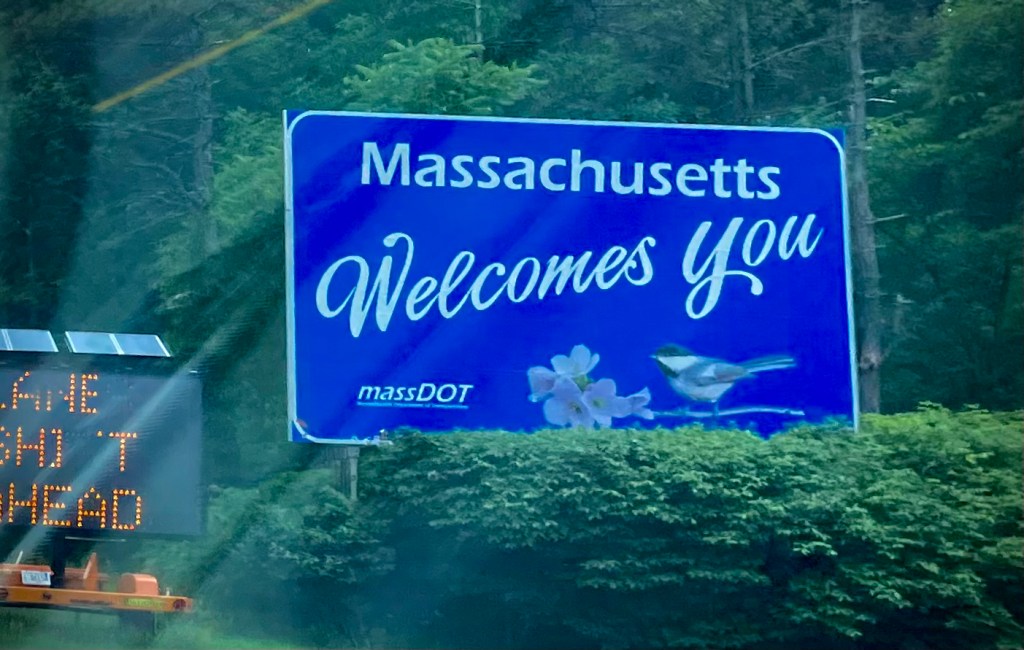
Welcome, Michael!
Gentle Giant — Acquiring the Taste (1971)
I brought this one along to either dispell or confirm that this might be my favorite Gentle Giant album. I certainly didn’t dispell that notion. eight tracks, less than forty minutes. We probably listened to it beginning to end maybe 10 times, maybe more, so that will give you some idea.
Favorite tracks were “The House, The Street, The Room,” “Wreck,” and “Plain Truth.” “Pantagruel’s Nativity” also merits a mention. Quite honestly, I like the whole album. The big stylistic difference I see between how they’re playing here as opposed to how they play on later albums is that they used a bit more legato phrasing on this earlier opus. Gary Green’s guitar work shines on “The House…” I love the sea shanty flavor of “Wreck,” and “Plain Truth” just rocks.
I’ve been trying to sit with Octopus (their 4th album) and the staccato element of their later style is taking a little bit of getting used to. I understand that they styled themselves a funk band, and I do like their mid-period sound a whole lot, but right now, Aquiring the Taske just feels more like a rock album, and “rock album” is the flavor that hit the spot on our trip! Strong contender for favorite disc of the trip, and DEFINITELY my favorite GG.
Estimated Number of Listens: 20
Road Noise Resistance: 9/10
Perfect Album Scale: 10/10
Overall Score: 10/10
King Crimson — Discipline (1981)
This is the other strong contender for best CD of the trip. I love how every note on this album feels like it exists in a spacific aesthetic framework, and yet at the same time feels so free and spontaneous. Nice trick! Maybe the one makes the other possible?
Every song is great — it’s a perfect album. I absolutely include the two instrumentals at the end. “Sheltering Sky” is simple and primal yet hits you like a beautiful psychedelic painting. Bill Bruford is the star of the track! “Frame by Frame” has been an earworm for me for the last 43 years, and the recording we played again and again this past week justifies that level of imprint on my delicate tissues. There was a lot of singing along with various Adrian Belew vocal lines (And a couple of Tony Levin ones, too.)
ENL: 18
RNR: 9/10
PAS: 10/10
OS: 10/10
Yes – Relayer (1874)
Back in the day, I thought this album was built around too much “try.” I sensed that they had been shocked by the reception of Tales From Topographic Oceans (I think Tales is genius, btw, possibly their best work, so of COURSE it wasn’t appreciated at the time…) After sitting with this album through 5+ listens, I would have to say that I do still hear some “try” but goddamn, this album a triumph.
Alan White is no Bill Bruford. He is not a “touch” drummer the way Bruford is… but he is pretty fricken good. He played on Revolver, he played on both Plastic Ono Bands, I rest my case.
The point being, that I think of Yes in the same breath in which I think of the Beatles, Zep, Bowie, and Chairs Missing-era Wire, in other words, at the tippy tippy top of its genre, and also rock and roll in general. They were not afraid of dischord, and their sixth album does not shy away. There are also some transcendently lyrical moments here. Alternating between beautiful and aggressive, this is one of absolute favorite albums by this band.
The road noise really bordered on making it hard to listen to an album.
ENL: 8
RNR: 7/10
PAS: 9.5/10
OS: 9/10
Pink Floyd — Soundtrack From the Film “More” (1969)
I was using the cat brush on the Persian rug next to the kid’s bed we acquired from one of our previous “living situations” and listening to this, and I really came to feel like it’s one of my favorite of their albums. Early Floyd is the best Floyd by far, in my opinion.
My actual favorite Pink Floyd is Saucerful of Secrets. Soundtrack from More is the album they recorded next, and feels like an important, intersticial album for the band. It’s not my second favorite, that would be Obscured By Clouds.
I love early Pink Floyd, but have long harbored the sentiment that they were a remarkable band up through Dark Side of The Moon, and that everything that came after it was total shite, and the worst of the lot has to be The Wall (which everyone else seems to love for some not-understood reason) but which is the absolute nadir of the ouvre in my jaundiced eye.
Cinema was a part of their feel as a band, and I think some of their best music was informed by it.
ENL: 7
RNR: 3/10
PAS: 8/10
OS:8/10
Genesis — Selling England by the Pound (1973)
This was probably the least listened-to of the 5, but we listened to it 3 times in a row while driving through Lincoln, Nebraska, and I love it. Kinda wish we’d listened to it more. I think the problem is the amount of road noise we were having. Oneof the considerations when picking a CD to pop in was that it had to stand up to the background noise. One of the ratings I’m giving each of these for the trip is about how well it battled the steady, dissonant drone of road noise in that truck. I’m giving this one a 4 out of 10 for that. The sound of the truck blended too oddly with Tony Banks’s playing.
I love every track on this album. I think Genesis has 3 perfect albums, and this is one of them, absolutely.
Can anybody ‘splain to my why I LOVE Peter Gabriel’s voice in every context I’ve ever heard it in, and why Phil Collins’s singing is like fingernails on a chalkboard to me?
ENL: 4
RNR: 4/10
PAS: 10/10
OS: 7/10
I think, in the final analysis, what needs to be said is that I love all 5 of these albums. The order of preference in this blog post relates directly to how much enjoyment I got out of each one in the particular context of that trip from Pueblo, Colorado to Gill, Massachusetts. Each album was a color on our journey cross-country. I loved them all, and wish we’d listened to them each 100 times more.


 Broadcast From the Brain Radio